

A roof rarely fails all at once. Most of the time, it gives you hints first: a shingle that curls at the edge, granules collecting in the gutter like coarse black sand, a damp spot in the attic that shows up after a hard West Michigan rain. The problem is that homeowners are busy, and roofs are easy to ignore until the damage gets expensive.
That is exactly why a seasonal roof maintenance checklist matters. A little attention a few times a year can help you catch small issues before they turn into leaks, mold, insulation damage, rotten decking, or a full roof replacement earlier than expected. In a place like Grand Rapids and the surrounding West Michigan area, where roofs take a beating from snow, wind, ice, spring rain, summer heat, and falling leaves, preventive maintenance is not overkill. It is just smart homeownership.
At 3 Peaks Roofing & Exteriors L.L.C., we believe good roofing work starts with preparation and education. If you know what to look for each season, you can protect your home, stretch the life of your shingles, and avoid the kind of surprise repair bill that lands with a thud. Below is a practical, season-by-season guide for roof inspections, gutter cleaning, leak detection, and knowing when it is time to stop climbing the ladder and call a professional.
Why Seasonal Roof Maintenance Matters
Your roof is not just a layer of shingles. It is a full system working together: underlayment, flashing, ventilation, decking, gutters, soffits, fascia, and drainage paths. When one part starts slipping, the rest often follows. A clogged gutter can push water under shingles. A missing shingle can expose underlayment. Poor attic ventilation can bake a roof from underneath in summer and contribute to ice dams in winter.
Seasonal maintenance helps you spot these chain reactions early. It also gives you a better sense of your roof’s normal condition, which makes storm damage easier to identify later. If a strong windstorm rolls through Wyoming, Hudsonville, Ada, or Grandville, you will have a much better idea whether the roof changed after the storm or whether that worn area was already there.
There is also the money side of it. Routine roof maintenance is almost always cheaper than emergency roof repair. Replacing a boot around a vent pipe is one thing. Replacing roof decking, insulation, drywall, and paint after a slow leak spreads through the attic is a very different conversation.
Roof Maintenance Safety First
Before getting into the checklist, let’s be blunt: roof inspections should never turn into a trip to the emergency room. A roof can look simple from the driveway and become slick, steep, or unstable the moment you step onto it. If you are not comfortable with heights, if your roof pitch is steep, or if the shingles are wet, brittle, or damaged, stay off the roof.
For many homeowners, a safe maintenance routine means inspecting from the ground with binoculars, checking the attic, and using a ladder only for gutter-level visibility. There is no prize for walking around on asphalt shingles and risking a fall. In fact, unnecessary foot traffic can damage the roof, especially in hot weather when shingles soften.
Basic Safety Gear and Tools
A good DIY inspection does not require a truck full of equipment, but it should include the right basics. Useful tools include:
- A sturdy extension ladder
- Ladder stabilizer
- Work gloves
- Non-slip shoes or boots
- Safety glasses
- Binoculars
- Flashlight or headlamp for attic checks
- Garden hose for controlled water testing
- Small hand scoop or gutter tool
- Bucket or debris bag
- Smartphone or camera for photos
If you are using a ladder, set it on level ground and maintain three points of contact. Do not lean too far to one side. Move the ladder instead. It is slower, but slower beats falling.
Spring Roof Maintenance Checklist
Spring is one of the most important times to inspect your roof. Winter can be rough on roofing systems in Michigan. Snow load, freeze-thaw cycles, ice dams, and whipping wind can loosen shingles, crack flashing, and back water into places it does not belong. Spring is when you look for what winter left behind.
It is also the season when problems start revealing themselves. A roof leak that began in January might not show as a ceiling stain until a warm spring rain pushes moisture farther indoors. Think of spring as your roof’s post-winter physical.
What to Check in Spring
Start with a ground-level visual inspection. Look for missing, lifted, curled, or cracked shingles. Check for uneven roof lines or sagging areas that could indicate structural issues or trapped moisture. Pay attention to metal flashing around chimneys, skylights, and roof penetrations. If it looks lifted, rusted, or separated, it deserves a closer look.
Next, inspect the gutters and downspouts. Winter debris, shingle granules, and seed pods often collect there. If gutters are clogged, spring rainwater can overflow and run down siding or pool near the foundation. Make sure downspouts are attached, draining properly, and extending water away from the home.
Inside the house, head to the attic. Use a flashlight and look for damp insulation, dark water stains, mildew smell, or sunlight peeking through where it should not. If the attic smells musty after rain, that is not something to shrug off.
Spring Checklist
- Look for missing or storm-damaged shingles
- Check flashing around vents, skylights, and chimneys
- Clear gutters and downspouts of leaves and granules
- Inspect soffits and fascia for water damage or rot
- Look for interior ceiling stains or attic moisture
- Check for mold, mildew, or poor ventilation in the attic
- Document any suspicious areas with photos
Spring is also a smart time to schedule a professional roof inspection if your home went through a heavy winter or a major storm. A trained roofer can often spot hail hits, lifted tabs, soft decking, and flashing failures that are easy to miss from the ground.
Summer Roof Maintenance Checklist
Summer gives homeowners the best weather window for maintenance, but it also brings its own problems. Heat can age shingles faster, UV exposure can dry materials out, and sudden summer storms can rip at vulnerable sections. If spring is about finding winter damage, summer is about preserving what you have.
This is also the easiest season for repairs. Dry conditions make it simpler to replace damaged materials, reseal flashing, and correct minor issues before fall and winter put pressure on them again.
What to Check in Summer
Inspect shingles for blistering, cracking, or excessive granule loss. Asphalt shingles naturally shed some granules over time, but if your gutters look like someone dumped a bucket of coarse gravel into them, that is worth attention. Granule loss means the shingle is losing its protective surface.
Look at roof penetrations carefully. Plumbing vent boots, pipe collars, and sealants around flashing can dry out and split under repeated sun exposure. These are small components, but they are frequent leak points. A roof can be mostly healthy and still leak through one failed seal the size of your hand.
Summer is also a good time to trim back tree limbs. Overhanging branches scrape shingles, drop debris, and provide a path for squirrels and raccoons. During a summer storm, a weak branch can go from shade provider to roof problem in about three seconds.
Summer Checklist
- Check shingles for blistering, curling, or heat damage
- Look for granule buildup in gutters
- Inspect vent boots and flashing seals
- Trim branches away from the roofline
- Check for signs of algae, moss, or dark streaking
- Inspect attic ventilation and airflow
- Address minor repairs before fall weather arrives
If your upstairs rooms feel unusually hot in summer, that can point to poor attic ventilation. A poorly ventilated attic traps heat like an oven, which can shorten the life of roofing materials and drive up cooling costs.
Fall Roof Maintenance Checklist
Fall is the season when smart homeowners get ahead of winter. If you do only one major roof check each year, this is the one. Leaves clog gutters, temperatures start dropping, and any weak point in the roof is about to be tested by snow and ice.
In West Michigan, fall roof maintenance is less of a suggestion and more of a defensive move. Once ice and snow arrive, even a small drainage issue can become an ice dam, and an ice dam can turn a manageable repair into interior water damage.
What to Check in Fall
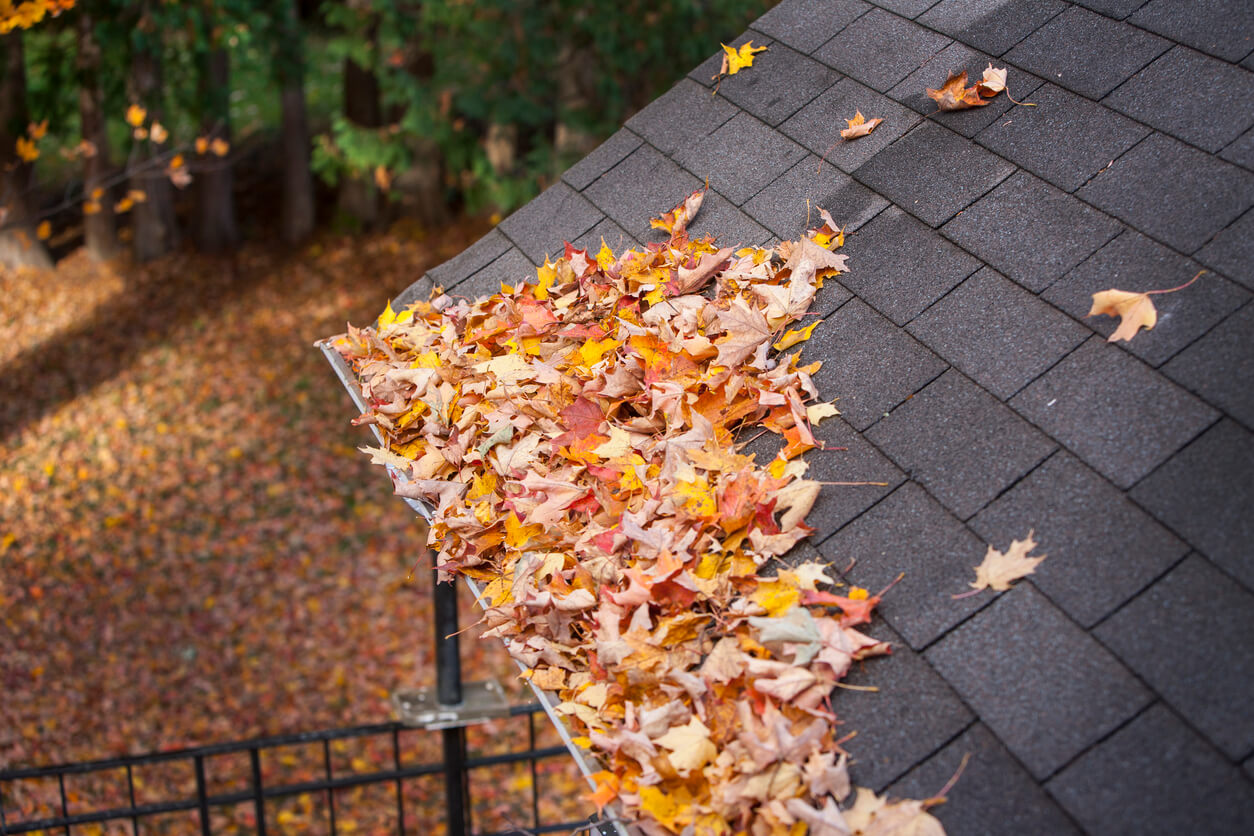
Clean the gutters thoroughly. Not halfway. Thoroughly. Remove leaves, twigs, seed pods, and sludge so water can move freely. Then run water through the system with a hose to make sure downspouts are not clogged. If water spills over the edge instead of flowing to the downspout, something is still blocked or pitched incorrectly.
Inspect flashing and roof edges before temperatures drop. Sealants and vulnerable transitions should be looked at now, not when there is frost on the ladder. Also check the attic insulation and ventilation. Warm air escaping from the home can contribute to uneven roof temperatures, which is one of the ingredients for ice dam formation.
Fall Checklist
- Remove leaves and debris from gutters and valleys
- Flush downspouts to confirm drainage
- Check roof edges and flashing for loose sections
- Inspect attic insulation and ventilation
- Look for signs of animal entry near soffits or vents
- Remove branches, moss, and debris from the roof surface
- Schedule repairs before freezing weather sets in
If you have had previous ice dam issues, fall is the time to speak with a roofing professional. Waiting until winter usually means reacting instead of preventing.
Winter Roof Maintenance Checklist
Winter maintenance is less hands-on and more observational. This is not the season for casual roof climbing. Snow-covered roofs hide hazards, and icy shingles are unforgiving. In winter, your job is to monitor from the ground and indoors, and call for help when warning signs appear.
A healthy roof should shed water and snow reasonably well without developing interior leaks, heavy ice buildup at the eaves, or sagging areas. If something looks off, trust that instinct and investigate safely.
What to Check in Winter
Watch for ice dams along the roof edge. These often look like thick ridges of ice with large icicles hanging from gutters. Icicles alone do not always mean trouble, but heavy ice buildup combined with interior leaks is a red flag. Water can back up behind the ice and work its way under shingles.
Inside, keep checking ceilings, attic insulation, and wall corners for moisture stains. After a snowfall, look at how the roof is holding snow. Uneven melt patterns can sometimes indicate heat loss or ventilation problems. If one section melts much faster than another, the attic may not be performing as it should.
Winter Checklist
- Monitor for ice dams and excessive icicles
- Watch for interior leaks after snow or thaw cycles
- Check attic for condensation or frost buildup
- Look for sagging areas or unusual snow load patterns
- Keep vents clear and unobstructed
- Use a roof rake from the ground if needed and safe
- Call a professional for leak response or ice dam concerns
If you use a roof rake, do it carefully from the ground and avoid scraping shingles. The goal is to reduce edge buildup, not tear up the roof surface.
DIY Roof Inspection Tips That Actually Help
A DIY roof inspection can be useful if you keep your expectations realistic. You are not trying to diagnose every hidden issue. You are trying to spot visible warning signs early enough to act. Think of it like checking your tires before a road trip. You may not be a mechanic, but you can still notice when something looks wrong.
Start with a walk around the property. Look up from different angles in good daylight. Use binoculars. Take photos. Compare areas that look worn against areas that look normal. Then inspect gutters, siding near roof lines, attic spaces, and ceilings inside the home.
A few things homeowners commonly miss include lifted shingle tabs after wind, subtle flashing separation, soft spots around penetrations, and signs of moisture in attic insulation. If you see repeated signs in more than one area, or if the same leak stain keeps returning, it is time for a professional inspection.
When to Hire a Professional Roofer
Some roof maintenance tasks are reasonable for a homeowner. Others should absolutely be handled by a licensed and insured roofing contractor. If your roof is steep, high, storm-damaged, older, or actively leaking, bringing in a professional is the safer and smarter move.
You should call a roofer if you notice missing shingles after a storm, flashing damage, repeated leaks, sagging areas, mold in the attic, or signs of hail or wind damage. You should also call if you are dealing with an insurance claim. Proper documentation matters, and experienced roofers know how to assess and present storm damage clearly.
At 3 Peaks Roofing & Exteriors L.L.C., we help homeowners throughout Grand Rapids and surrounding communities with detailed inspections, honest recommendations, and low-pressure guidance. Sometimes the answer is a repair. Sometimes it is maintenance. Sometimes it is more serious. The point is to know, not guess.
Common Roof Problems Preventive Maintenance Can Catch Early
One of the biggest benefits of a seasonal roof maintenance checklist is how often it catches small issues before they snowball. A cracked pipe boot today can be a stained bathroom ceiling next month. A clogged gutter in October can become fascia rot by spring. A few lifted shingles after a summer storm can become a leak during the first winter thaw.
Routine maintenance often helps catch:
- Loose or missing shingles
- Damaged flashing
- Clogged gutters and poor drainage
- Granule loss and shingle wear
- Ventilation problems
- Ice dam risk factors
- Moss or algae growth
- Hidden attic moisture
- Minor leak points around penetrations
Roofing problems are a lot like cavities. They are much cheaper and easier to deal with when they are small.
Protect Your Roof Before It Becomes an Emergency
A good roof does not ask for much, but it does ask not to be forgotten. Seasonal maintenance gives you a simple routine: inspect, clean, document, and act early. That habit can add years to your roof’s life, reduce surprise repairs, and help you protect what matters most inside your home.
If you live in Grand Rapids or the surrounding West Michigan area and want a professional eye on your roof, 3 Peaks Roofing & Exteriors L.L.C. is here to help. We provide detailed inspections, clear reports, and straightforward recommendations without the pressure. Whether you are dealing with storm damage, aging shingles, gutter issues, or just want peace of mind before the next season hits, our team is ready.
Schedule your free estimate and let us help you stay ahead of costly roof problems before they start.