

If you live in West Michigan, you already know your roof doesn’t get an easy job. It has to deal with lake-effect snow, freeze-thaw cycles, pounding spring rain, summer humidity, high winds, and the occasional storm that seems to show up just to test everything attached to your house. In places like Grand Rapids, Ada, Byron Center, Hudsonville, Kentwood, Lowell, and Wyoming, a roof isn’t just a design feature. It’s a year-round shield.
That’s why choosing the best roofing materials for your home matters so much. The right material can help protect your family, reduce maintenance headaches, improve curb appeal, and save money over time. The wrong one can leave you dealing with premature wear, leaks, ice dam issues, and repairs that always seem to happen at the worst possible moment.
This guide breaks down the most common roofing materials for Michigan homes, including asphalt shingles, metal roofing, cedar, slate, and synthetic options. We’ll compare durability, maintenance, cost, aesthetics, and environmental impact so you can make a smarter decision based on your home, your budget, and the weather your roof will actually face.
Why Michigan Weather Changes the Roofing Conversation
A roofing material that performs well in a dry, mild climate may struggle in Michigan. Here, roofs take repeated hits from moisture and temperature swings. Snow piles up in January, melts a little during the day, then refreezes at night. Rain can come hard and sideways. Summer sun can bake dark surfaces for hours, then a thunderstorm rolls in and drops the temperature fast. That constant expansion and contraction is rough on roofing systems.
For homeowners in the greater Grand Rapids area, the best roof usually isn’t the one with the flashiest brochure. It’s the one that can handle winter storms, heavy rain, wind uplift, UV exposure, and moisture management without demanding constant attention. A beautiful roof that ages badly in Michigan is a little like buying a sports car for a logging road. It may look great at first, but the environment eventually wins.
Asphalt Shingles: The Most Popular Choice for a Reason
Asphalt shingles remain the most common residential roofing material in Michigan, and that’s not an accident. They offer a strong balance of affordability, performance, availability, and style. For many homeowners, especially those replacing an aging roof after storm damage or normal wear, architectural asphalt shingles are the practical middle ground.
They also work well with the look of most homes in West Michigan neighborhoods. Whether you have a ranch in Walker, a two-story colonial in Forest Hills, or an older home in Grand Rapids, asphalt shingles fit naturally. They don’t fight the house visually, and they come in enough colors and profiles to improve curb appeal without making the roof feel overdesigned.
Pros of Asphalt Shingles
The biggest advantage is cost. Asphalt shingles are typically the most budget-friendly roofing material among the major options. Installation is straightforward, repairs are generally easier, and replacement materials are widely available. That matters when you need to move quickly after storm damage.
Modern architectural shingles also offer solid durability. Many high-quality shingle systems can last 20 to 30 years, and some premium products may go longer with proper installation and ventilation. They perform well in rain, can handle Michigan wind when installed correctly, and offer decent impact resistance depending on the product line.
Cons of Asphalt Shingles
Asphalt shingles do have limitations. Compared to metal or slate, they usually have a shorter lifespan. They can also be more vulnerable to granule loss, algae staining, curling, and damage from repeated freeze-thaw cycles as they age. In other words, they’re dependable, but not immortal.
They’re also less energy efficient than some reflective roofing systems unless you choose specially designed cool-roof shingles. Dark shingles in full summer sun can absorb a lot of heat, which may affect attic temperatures if the roof system isn’t properly ventilated.
Metal Roofing: Built for Tough Weather and Long-Term Value
Metal roofing has become much more popular in Michigan over the last decade, and for good reason. When homeowners ask about the best roofing materials for harsh weather, metal is almost always part of the conversation. It’s durable, low-maintenance, and especially good at shedding snow and rain.
A metal roof can feel like the heavy-duty option in the best sense of the word. It’s the work boot of roofing materials, practical, tough, and made to take abuse. For homeowners planning to stay in their house long term, it can be an excellent investment.
Pros of Metal Roofing
Durability is where metal roofing shines. Depending on the system and material, a metal roof can last 40 to 70 years or more. It stands up well to wind, moisture, and fire, and it’s less likely than asphalt to suffer from the kind of gradual wear that sneaks up on you over time.
Metal is especially strong in winter. Snow tends to slide off more easily, which can reduce heavy buildup. It also performs very well in heavy rain because water sheds quickly. In summer, reflective coatings can help reduce heat absorption, making metal one of the better roofing materials for energy efficiency.
Cons of Metal Roofing
The biggest drawback is upfront cost. Metal roofing is significantly more expensive than asphalt shingles, both in material and installation. For some homeowners, that higher initial investment is worth it over the life of the roof. For others, it simply stretches the budget too far.
Metal roofs can also be noisier during rain or hail if the system isn’t properly installed with the right underlayment and insulation. And while many people love the look, others feel it doesn’t fit every neighborhood or architectural style. A standing seam metal roof on the wrong house can look a little like a barn jacket thrown over a bungalow.
Cedar Shake and Wood Roofing: Beautiful, But Demanding
Cedar shake roofs have a warm, natural look that many homeowners love. They offer texture, character, and a kind of old-world charm that asphalt can imitate but never fully match. On the right home, cedar can be stunning.
That said, Michigan’s climate is not especially forgiving to wood roofing. Moisture is the main issue. With regular exposure to rain, snow, and humidity, wood can become vulnerable to rot, mold, mildew, insect damage, and splitting if it isn’t carefully maintained.
Pros of Cedar Roofing
Cedar offers strong curb appeal and natural insulation. It has a distinct appearance that works especially well on historic homes, cottages, and custom houses where aesthetics matter just as much as function. It can also perform reasonably well when properly maintained and installed.
For homeowners who prioritize natural materials, cedar has environmental appeal too. It’s renewable and biodegradable, and many people simply prefer the look and feel of a real wood roof over manufactured alternatives.
Cons of Cedar Roofing
Maintenance is the sticking point. Cedar roofs need more attention than asphalt or metal. They may require regular treatments, inspections, and cleaning to prevent moisture-related problems. In a Michigan climate, that’s not a small detail, it’s the whole story.
Cost is also relatively high, and lifespan can vary significantly depending on maintenance and weather exposure. If you want a low-stress roof that can handle years of neglect without complaint, cedar is probably not your material.
Slate Roofing: Premium Performance at a Premium Price
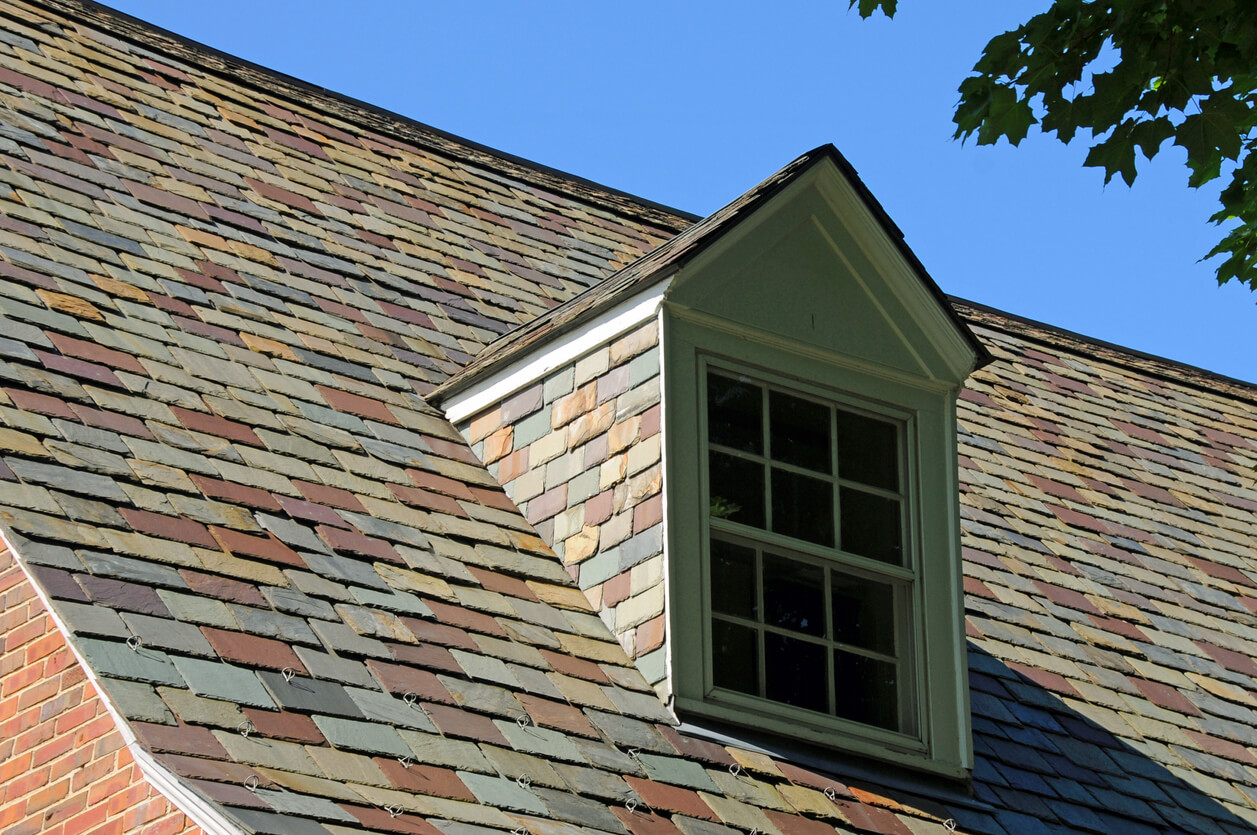
Slate is one of the most durable roofing materials available. It’s elegant, long-lasting, and highly resistant to fire and weather. On the right structure, a slate roof can last a century. That’s not marketing fluff. It’s one of the few roofing materials that can realistically outlive the people who install it.
But slate is not for every home. It’s heavy, expensive, and requires specialized installation. In many residential situations, it’s more aspirational than practical.
Pros of Slate Roofing
Slate offers exceptional longevity and a timeless appearance. It handles moisture well, resists freeze-thaw damage better than many materials, and performs admirably in severe weather. If your goal is maximum lifespan and high-end aesthetics, slate belongs near the top of the list.
It also has strong environmental credentials in one sense: longevity. A roof that lasts 75 to 100 years creates far less replacement waste over time than one that needs to be redone every few decades.
Cons of Slate Roofing
The cost is substantial. Both materials and labor are expensive, and not every roof structure can support the weight of slate without reinforcement. That can add another layer of expense before installation even begins.
Repairs can also be more specialized. If damage occurs, you need a contractor who knows slate systems, not just general roofing. For many homeowners in the Grand Rapids area, slate is more realistic for historic or luxury homes than standard residential replacements.
Synthetic Roofing Materials: A Modern Middle Ground
Synthetic roofing products are designed to mimic materials like slate, cedar, or tile while reducing some of the downsides. These products can be made from engineered polymers, recycled materials, or composite blends. In recent years, they’ve become a serious option for homeowners who want style without the maintenance burden of natural materials.
For Michigan homes, synthetic roofing can be appealing because it often combines lighter weight with strong impact resistance and lower maintenance. It’s a bit like getting the look of hardwood with the practicality of luxury vinyl, different material, same visual ambition, fewer headaches.
Pros of Synthetic Roofing
Many synthetic roofing products are durable, lightweight, and designed to resist moisture, cracking, and UV damage. They can offer the upscale appearance of cedar or slate without the same structural demands or maintenance schedule.
Some products also include recycled content, which can improve their environmental profile. Homeowners looking for a more sustainable option without jumping to metal or paying for slate often find synthetic roofing worth a closer look.
Cons of Synthetic Roofing
Because these products vary widely by manufacturer, quality matters a lot. Some synthetic materials perform very well, while others may not age as gracefully as advertised. This is one of those categories where brand, warranty, and installer experience matter more than the label alone.
Cost can land somewhere between asphalt and premium roofing systems, so it’s not always a bargain. And because it’s a newer category compared to traditional materials, some homeowners are hesitant about long-term performance data.
Comparing Roofing Costs for Michigan Homeowners
If budget is a major factor, asphalt shingles are usually the most accessible option. They offer the lowest upfront cost and a familiar installation process, which helps keep labor expenses more manageable. For many families, that makes asphalt the best immediate value.
Metal roofing costs more at the start, but it may offer better long-term value because of its lifespan, durability, and lower maintenance needs. Cedar, slate, and some synthetic products can all run higher, with slate typically at the top of the price range.
The smartest way to think about roofing cost is not just “What will I pay this year?” but “What will this roof cost me over 30 years?” A cheaper roof that needs more maintenance, earlier replacement, or repeated repairs may not actually be cheaper in the long run.
Environmental Impact: Which Roofing Material Is Greener?
Environmental impact depends on more than one factor. Asphalt shingles are petroleum-based and generate significant landfill waste when replaced, though some recycling programs do exist. Because they have a shorter lifespan, they tend to create more replacement cycles over time.
Metal roofing is often one of the stronger environmental choices. Many metal roofs contain recycled content, and the material itself is recyclable at the end of its life. Its longevity also means less waste over time. Slate performs well from a lifespan standpoint, while cedar can appeal to homeowners who prefer natural materials, though maintenance and treatment practices should be considered.
Synthetic roofing is mixed from an environmental standpoint. Some products use recycled materials, which is a plus. Others are still manufactured composites that may not be as easy to recycle later. As with performance, the specific product matters.
Best Roofing Materials for Winter Storms, Heavy Rain, and Summer Heat
For winter storms, metal roofing is one of the top performers. It sheds snow efficiently, resists moisture intrusion, and handles freeze-thaw stress well when installed properly. High-quality architectural asphalt shingles can also perform well, especially when paired with proper attic ventilation, ice and water shield, and flashing details.
For heavy rain, both metal and asphalt are strong options. The key is less about the surface material alone and more about the entire roofing system, underlayment, flashing, drainage, and installation quality. A great material installed poorly is still a problem waiting for a thunderstorm.
For summer heat, reflective metal roofing often has the edge because it can reduce solar heat gain. Lighter-colored asphalt shingles can also help, especially when combined with proper insulation and ventilation. If your attic traps heat like a slow cooker in July, the roof material is only part of the fix.
So, What Is the Best Roofing Material for Michigan?
For many homeowners in Michigan, architectural asphalt shingles remain the best all-around choice because they balance cost, durability, appearance, and practicality. They’re reliable, versatile, and well-suited to a wide range of homes throughout the Grand Rapids area.
If you want maximum longevity, lower maintenance, and strong weather performance, metal roofing is one of the best long-term investments. If aesthetics are your highest priority and your budget allows it, slate or premium synthetic roofing may be worth considering. Cedar can still be the right fit for certain homes, but it’s best for homeowners who understand the maintenance commitment going in.
Final Thoughts for Homeowners in Grand Rapids and West Michigan
Choosing a roof isn’t just about picking a color swatch and signing a quote. It’s about matching your material to your climate, your house, and the way you actually live. A retired couple planning to stay in their forever home may make a different choice than a young family balancing storm damage repairs with a tight budget. Both decisions can be smart if they’re grounded in reality.
In Michigan, the best roof is the one that stands up to snow, shrugs off rain, handles summer heat, and still looks right on your home years from now. If you’re comparing roofing materials and want guidance based on your home’s condition, local weather demands, and long-term goals, working with an experienced roofing contractor can make the choice much clearer. A good roof should give you confidence, not questions every time the forecast turns ugly.